In the world of art, understanding the creators behind the works is just as vital as appreciating the pieces themselves. Artist interviews serve as a powerful tool in building detailed profiles that not only highlight the artist’s journey but also provide insights into their creative processes, inspirations, and challenges. This article explores the significant role that artist interviews play in crafting comprehensive profiles, emphasizing their impact on both the artists and their audiences.
The Importance of Artist Interviews
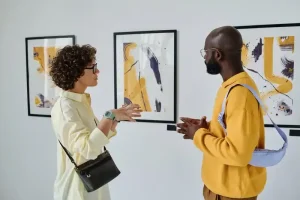
Artist interviews are more than just conversations; they are a window into the artist’s mind and a glimpse into their creative world. These interviews provide a platform for artists to share their stories, philosophies, and the motivations behind their work. By engaging with artists in this way, interviewers can uncover layers of meaning that often resonate deeply with audiences.
Real-Life Example: The Impact of Interviews
Consider the case of acclaimed artist Ai Weiwei. His interviews often touch on themes of social justice, freedom of expression, and the role of art in activism. By discussing his experiences and the political climate in China, Ai Weiwei not only builds his profile as an artist but also educates the public about crucial societal issues. This dual purpose enriches the audience’s understanding of his work, making it more impactful.
Building Detailed Profiles Through Artist Interviews
Artist interviews contribute to building detailed profiles in several crucial ways. They provide context, personal narratives, and insights that can transform a simple biography into a rich tapestry of experiences and emotions.
Contextualizing the Artistic Journey
Every artist has a unique journey that shapes their work. Artist interviews allow for the exploration of this journey in depth. By asking questions about their upbringing, education, and pivotal moments in their careers, interviewers can paint a fuller picture of the artist’s background.
Example: The Journey of Yayoi Kusama
Yayoi Kusama, a prominent contemporary artist known for her polka dots and infinity rooms, has a life story that significantly influences her work. Interviews reveal her struggles with mental health and how they inform her art. This context not only enhances the understanding of her pieces but also fosters a deeper connection with audiences who may relate to her experiences.
Unpacking Creative Processes
Understanding an artist’s creative process is essential for appreciating their work fully. Artist interviews often delve into the methodologies, techniques, and materials that artists use. This insight can demystify the creative process and make art more accessible to the public.
Case Study: The Techniques of Banksy
Banksy, the elusive street artist, has been the subject of numerous interviews that uncover his innovative techniques and the socio-political messages embedded in his work. By discussing his creative approach, Banksy invites audiences to engage more critically with his art, fostering a dialogue around its implications.
Highlighting Inspirations and Influences
An artist’s influences can shape their work in profound ways. Interviews provide an opportunity for artists to discuss their inspirations, whether they stem from personal experiences, historical events, or other artists. This sharing of influences adds depth to the artist’s profile and enriches the audience’s understanding.
Real-Life Example: Frida Kahlo’s Inspirations
Frida Kahlo’s interviews reveal the myriad of influences in her life, from her Mexican heritage to her tumultuous relationship with Diego Rivera. By highlighting these inspirations, audiences gain insight into how Kahlo’s personal experiences shaped her iconic artworks. This connection not only enhances appreciation for her art but also cements her legacy as a pivotal figure in art history.
Creating Emotional Connections
Artist interviews can evoke emotions by sharing personal stories, struggles, and triumphs. When artists open up about their vulnerabilities, it humanizes them and fosters empathy among audiences. This emotional connection can lead to a more profound appreciation of their work.
Example: The Vulnerability of Tracey Emin
Tracey Emin is known for her confessional art style, which often draws from her personal experiences. Her interviews frequently touch on themes of love, loss, and trauma. By sharing her vulnerabilities, Emin invites audiences to connect with her work on an emotional level, transforming the way they perceive her art.
Enhancing Visibility and Accessibility for Artists
In addition to building detailed profiles, artist interviews play a crucial role in enhancing visibility and accessibility for artists. By participating in interviews, artists can reach broader audiences and engage with individuals who may not have encountered their work otherwise.
Expanding Audience Reach
Interviews can serve as a promotional tool, helping artists reach new audiences. Whether through print media, podcasts, or video platforms, these conversations can introduce an artist’s work to people who may not be familiar with it. This expanded reach is vital for emerging artists seeking to establish their presence in the competitive art world.
Case Study: Emerging Artists in Online Platforms
With the rise of social media and online platforms, many emerging artists have gained visibility through interviews. For example, platforms like Instagram and YouTube allow artists to share their stories and processes with a global audience. Interviews conducted on these platforms can create a sense of community and engagement, fostering support for emerging talent.
Building a Personal Brand
Artist interviews contribute to building a personal brand by allowing artists to express their values, mission, and artistic vision. This branding is essential in today’s art market, where collectors and audiences are increasingly interested in the stories behind the work.
Example: The Branding of Kehinde Wiley
Kehinde Wiley, known for his vibrant portraits of African American subjects, has effectively used interviews to establish a personal brand. Through discussions about representation and identity, Wiley articulates his artistic vision and the importance of inclusivity in art. This branding has resonated with a wide audience, elevating his profile in the art world.
The Role of Interviews in Art Criticism and Analysis
Artist interviews also contribute to the field of art criticism and analysis. By providing firsthand accounts of the artist’s intentions and processes, these interviews can inform critiques and deepen the discourse surrounding contemporary art.
Providing Insight for Critics
Art critics often rely on interviews to gain insights into an artist’s intentions and motivations. Understanding the context behind a piece can lead to more informed critiques, enriching the overall conversation about the work.
Example: The Critique of Damien Hirst
Damien Hirst, a controversial figure in contemporary art, often engages in interviews that clarify his intentions behind provocative works. Critics who draw upon these interviews can provide nuanced analyses that consider Hirst’s motivations, leading to a more comprehensive understanding of his contributions to art.
Encouraging Public Dialogue
Artist interviews can stimulate public dialogue about art and its societal implications. When artists articulate their views on pressing issues, it invites audiences to engage in conversations that extend beyond the artwork itself.
Case Study: Artists Addressing Social Issues
In recent years, many artists have used interviews to discuss social issues such as climate change, racial inequality, and mental health. By addressing these topics, artists encourage public discourse and inspire action, demonstrating the power of art as a catalyst for change.
Navigating the Challenges of Artist Interviews
While artist interviews are invaluable, they are not without challenges. Both artists and interviewers must navigate various obstacles to ensure that the conversations are meaningful and authentic.
The Potential for Misinterpretation
Interviews can sometimes lead to misinterpretation of an artist’s intentions or ideas. If questions are poorly framed or if an artist’s responses are taken out of context, the resulting narrative may not accurately reflect their views.
Importance of Thoughtful Questioning
Interviewers must be mindful in their questioning, aiming to create a safe space for artists to express themselves authentically. Thoughtful, open-ended questions can facilitate deeper conversations and reduce the risk of misinterpretation.
Balancing Personal and Professional Boundaries
Artists may feel vulnerable when discussing personal experiences and emotions. It is essential for interviewers to respect boundaries and allow artists to share only what they are comfortable revealing.
Creating a Trusting Environment
Building rapport and trust with artists is crucial in conducting successful interviews. A comfortable environment encourages artists to open up, leading to richer conversations that enhance their profiles.
The Future of Artist Interviews
As the art world continues to evolve, so too will the format and approach to artist interviews. Emerging technologies and platforms are reshaping how artists engage with audiences and how interviews are conducted.
Embracing Digital Platforms
The rise of digital media has transformed the landscape of artist interviews. Online platforms, podcasts, and social media allow for more dynamic and accessible conversations. This shift enables artists to reach wider audiences and engage with fans in real-time.
Example: Virtual Exhibitions and Interviews
During the COVID-19 pandemic, many artists turned to virtual exhibitions and online interviews to connect with audiences. These digital formats not only maintained engagement but also opened new avenues for artistic expression and dialogue.
Interactive Interviews and Audience Engagement
The future of artist interviews may involve more interactive formats, allowing audiences to participate in the conversation. Live Q&A sessions and social media interactions can create a sense of community and foster deeper connections between artists and their audiences.
Conclusion
Artist interviews play a crucial role in building detailed profiles that enrich our understanding of the artists behind the works. By providing context, unpacking creative processes, highlighting inspirations, and fostering emotional connections, these interviews illuminate the multifaceted nature of artistic expression. Moreover, they enhance visibility, contribute to art criticism, and stimulate public dialogue, underscoring the significance of the artist’s voice in the contemporary art world.
As we look to the future, embracing digital platforms and interactive formats will further enhance the impact of artist interviews, ensuring that the stories and perspectives of artists continue to resonate with audiences worldwide. In a rapidly changing art landscape, the conversations initiated through these interviews will remain a vital bridge between creators and the communities they serve.
Frequently Asked Questions
What are artist interviews?
Artist interviews are conversations with artists that explore their backgrounds, creative processes, inspirations, and experiences, providing insights into their work.
How do artist interviews contribute to an artist’s profile?
Artist interviews help build detailed profiles by contextualizing their journeys, unpacking creative processes, highlighting inspirations, and creating emotional connections with audiences.
Why are artist interviews important in the art world?
Artist interviews enhance visibility, foster public dialogue, inform art criticism, and provide a platform for artists to share their stories and perspectives.