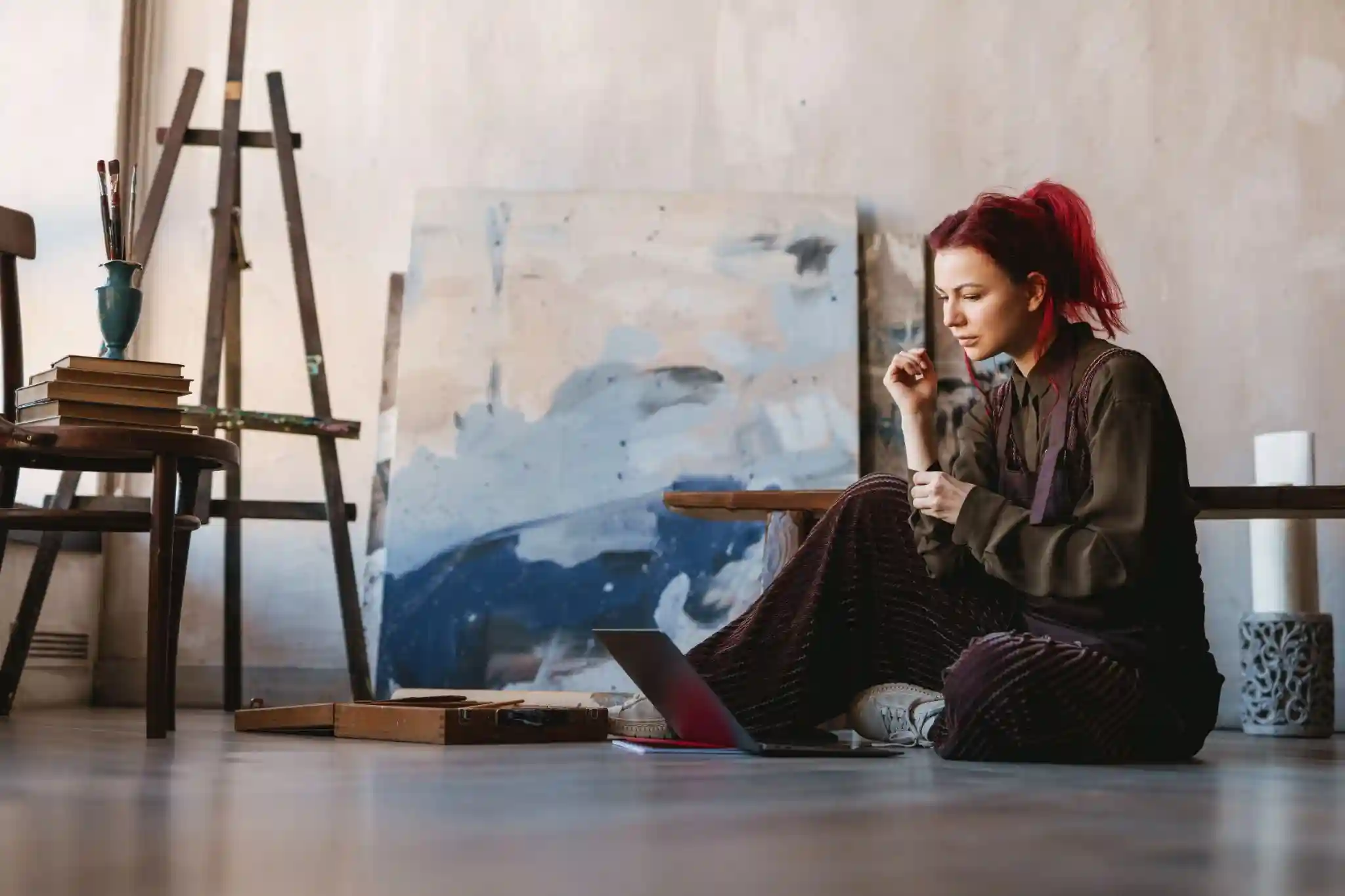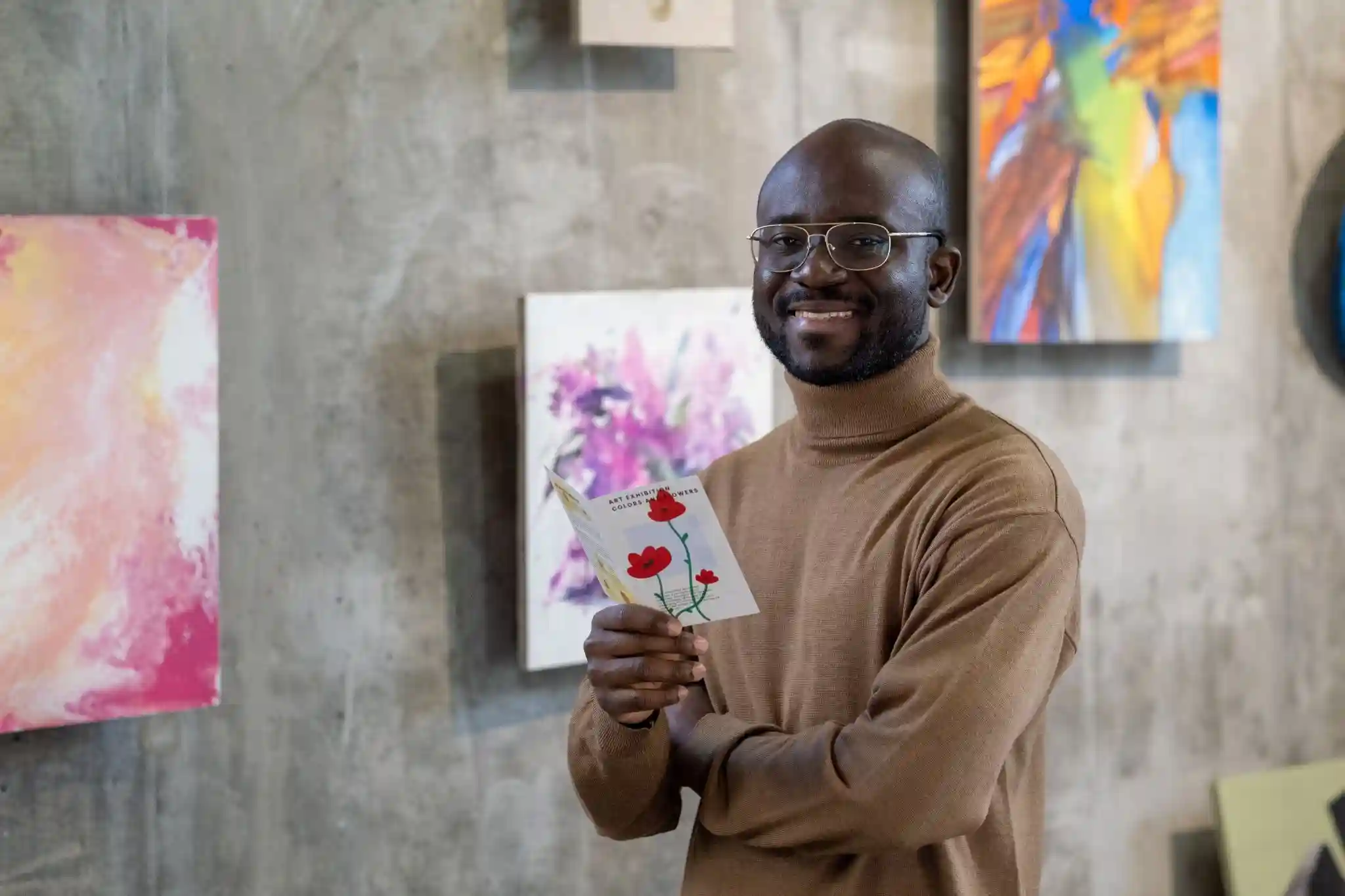
In today’s digital landscape, artists are no longer limited to galleries, exhibitions, or word-of-mouth recognition. The internet has opened up endless opportunities for creators to present their work to global audiences, connect with potential clients, and build meaningful careers. However, with this accessibility comes a new challenge, standing out in a crowded space where thousands of artists are competing for attention.
Simply creating great work is no longer enough. Artists must also understand how to present their work strategically, choose the right platforms, and build a consistent presence. Selecting the right platforms is not just about visibility, it’s about aligning your creative identity with the right audience and opportunities that support long-term growth.
Understanding the Importance of Showcasing Your Work
Showcasing your work is one of the most important aspects of being an artist in the modern era. It is not just about displaying your creations, it is about communicating your artistic voice, style, and value to the world. A well-curated artist profile serves as both a portfolio and a personal brand, helping others understand who you are as a creator.
When your work is presented effectively, it creates opportunities that go beyond visibility. Potential clients, collaborators, and even employers often evaluate artists based on how their work is displayed online. A strong presentation builds trust and credibility, making it easier for people to take your work seriously.
In addition, showcasing your work consistently allows you to build recognition over time. As more people see your art, they begin to associate your style with your identity. This recognition is essential for long-term growth, especially in competitive creative industries.
A strong online presence can help artists:
-
Build a recognizable personal brand
-
Attract clients, commissions, or job opportunities
-
Connect with a wider audience globally
Without proper visibility, even highly skilled artists may struggle to grow. This is why choosing the right platforms is not optional, it is a fundamental part of building a successful creative career.
Key Factors to Consider When Choosing a Platform
1. Target Audience
One of the most important factors when selecting a platform is understanding your target audience. Different platforms attract different types of users, and choosing the wrong one can limit your reach.
For example, some platforms are heavily focused on professionals and industry connections, while others are designed for general audiences who consume content casually. If your goal is to gain clients or job opportunities, you may need a platform that is more professionally oriented. On the other hand, if your goal is to build a following, social engagement platforms may be more effective.
Understanding your audience helps you answer key questions:
-
Who do you want to see your work?
-
Are you targeting clients, fans, or collaborators?
-
What type of content does your audience engage with?
Choosing a platform that aligns with your audience ensures that your work reaches the right people.
2. Type of Art You Create
The format and style of your art play a significant role in determining the best platform. Visual artists, photographers, and designers benefit from highly visual platforms, while writers or musicians may require platforms that support text or audio content.
For example:
-
Visual-heavy platforms work best for illustrations and photography
-
Video platforms are ideal for process-based or storytelling content
-
Portfolio platforms suit structured and professional presentations
Matching your art type with the platform ensures your work is displayed in the best possible way.
3. Level of Control and Customization
Some platforms give you complete control over how your work is presented, while others follow fixed formats. This difference can have a major impact on how your brand is perceived.
A personal website, for instance, allows you to design your portfolio exactly how you want. You can control layout, colors, navigation, and overall presentation. On the other hand, social media platforms have predefined structures that limit customization.
If branding is important to you, consider platforms that allow:
-
Custom layouts and design
-
Personalized domain names
-
Flexible content organization
Control over presentation helps create a unique and memorable identity.
4. Growth and Monetization Opportunities
Beyond visibility, many artists aim to generate income from their work. Some platforms offer built-in tools for selling art, while others focus purely on exposure.
When evaluating platforms, consider whether they allow you to:
-
Sell artwork directly
-
Receive commissions
-
Promote services or collaborations
Choosing platforms that support monetization can turn your creative efforts into sustainable income.
Top Platforms to Showcase Artist Profiles
1. Personal Portfolio Websites
A personal website is one of the most valuable assets an artist can have. It serves as a central hub where all your work is organized and presented professionally.
Unlike other platforms, a website gives you full control over your content and branding. You are not restricted by algorithms or platform limitations. This makes it ideal for creating a long-term, stable presence.
A strong portfolio website typically includes:
-
A curated selection of your best work
-
A clear and engaging “About” section
-
Contact details for inquiries or collaborations
Having your own website also creates a professional impression. Clients and agencies often prefer artists who have a dedicated space showcasing their work.
2. Portfolio Platforms
Portfolio platforms are designed specifically for showcasing creative work in a structured and professional format. These platforms attract industry professionals, making them ideal for networking and career opportunities.
They allow artists to organize their work into projects, making it easier for viewers to understand the creative process and context behind each piece.
Benefits of portfolio platforms include:
-
Exposure to industry professionals
-
Opportunities for collaboration
-
Community feedback and recognition
These platforms are especially useful for designers, photographers, and digital artists who want to build a professional presence.
3. Social Media Platforms
Social media has become one of the most powerful tools for artists to gain visibility and build an audience. These platforms allow for direct interaction with followers, making them ideal for engagement and growth.
Artists can use social media to:
-
Share finished work and behind-the-scenes content
-
Build a personal brand
-
Connect with a global audience
However, success on social media requires consistency and strategy. Regular posting, engagement, and content planning are essential for growth.
4. Online Marketplaces
Online marketplaces allow artists to sell their work directly to customers. These platforms combine exposure with monetization, making them ideal for artists looking to generate income.
They often provide:
-
Built-in audiences
-
Payment systems
-
Logistics support
This makes it easier for artists to focus on creating while the platform handles transactions.
5. Creative Communities and Forums
Creative communities offer spaces for artists to share work, receive feedback, and connect with others. These platforms are particularly valuable for learning and growth.
They encourage:
-
Peer feedback
-
Skill development
-
Collaboration
For beginners, these communities provide support and motivation.
6. Video and Content Platforms
Video platforms are becoming increasingly popular among artists. They allow creators to showcase their process, teach techniques, and build a personal connection with their audience.
This type of content is highly engaging and can help artists stand out in a crowded space.
How to Use Multiple Platforms Effectively
Using multiple platforms strategically is one of the most effective ways to grow as an artist. Each platform serves a different purpose, and combining them creates a balanced online presence.
For example:
-
A personal website acts as your main portfolio
-
Social media drives traffic and engagement
-
Portfolio platforms provide professional exposure
The key is consistency. Instead of spreading yourself too thin, focus on a few platforms and maintain regular activity. This ensures quality while still reaching a broad audience.
Common Mistakes Artists Should Avoid
1. Trying to Be Everywhere at Once
Many artists try to use every available platform, which often leads to burnout and inconsistency. It’s better to focus on a few platforms and build them properly.
2. Ignoring Personal Branding
Your style, presentation, and messaging should remain consistent across platforms. Inconsistency can confuse your audience.
3. Posting Without Strategy
Random posting without a clear plan limits growth. A structured approach improves visibility and engagement.
4. Not Updating Work Regularly
Outdated portfolios can reduce credibility. Regular updates show growth and commitment.
The Future of Artist Platforms
The future of artist platforms is evolving rapidly with advancements in technology. New features such as AI-driven recommendations, virtual galleries, and interactive experiences are transforming how art is presented and consumed.
These innovations will allow artists to:
-
Reach more targeted audiences
-
Create immersive experiences
-
Build stronger connections with viewers
As technology continues to grow, artists who adapt early will have a significant advantage in building their careers.
FAQs
1. What is the best platform for beginner artists?
The best platform for beginner artists depends on their goals, but starting with social media and a simple portfolio website is often the most effective approach. Social media helps build visibility and engagement, while a website provides a professional space to showcase work. Beginners should focus on consistency, improving their skills, and gradually expanding to other platforms as their audience grows.
2. Do I need a personal website as an artist?
Having a personal website is highly recommended because it gives you full control over your portfolio and branding. Unlike social media platforms, where visibility depends on algorithms, a website acts as a permanent and professional space for your work. It also makes it easier for potential clients or collaborators to find your work and contact you directly.
3. Can I use multiple platforms at the same time?
Yes, using multiple platforms is often the most effective strategy for artists. Each platform serves a different purpose, such as exposure, networking, or sales. By combining a personal website, social media, and portfolio platforms, artists can reach a wider audience while maintaining a strong and consistent presence across different channels.
4. How can I grow my audience as an artist online?
Growing an audience requires consistency, quality content, and active engagement. Posting regularly, sharing your creative process, and interacting with followers helps build trust and connection. Collaborating with other artists and staying updated with trends also increases visibility, allowing you to gradually build a loyal and engaged audience over time.
Final Thoughts
Choosing the right platforms to showcase your work is a crucial step in building a successful artistic career. With the wide range of options available today, artists have more opportunities than ever to reach global audiences, connect with professionals, and grow their personal brand.
By understanding the strengths of each platform and using them strategically, artists can create a strong and lasting presence. When combined with consistency, creativity, and authenticity, the right platform choices can turn passion into meaningful opportunities and long-term success.