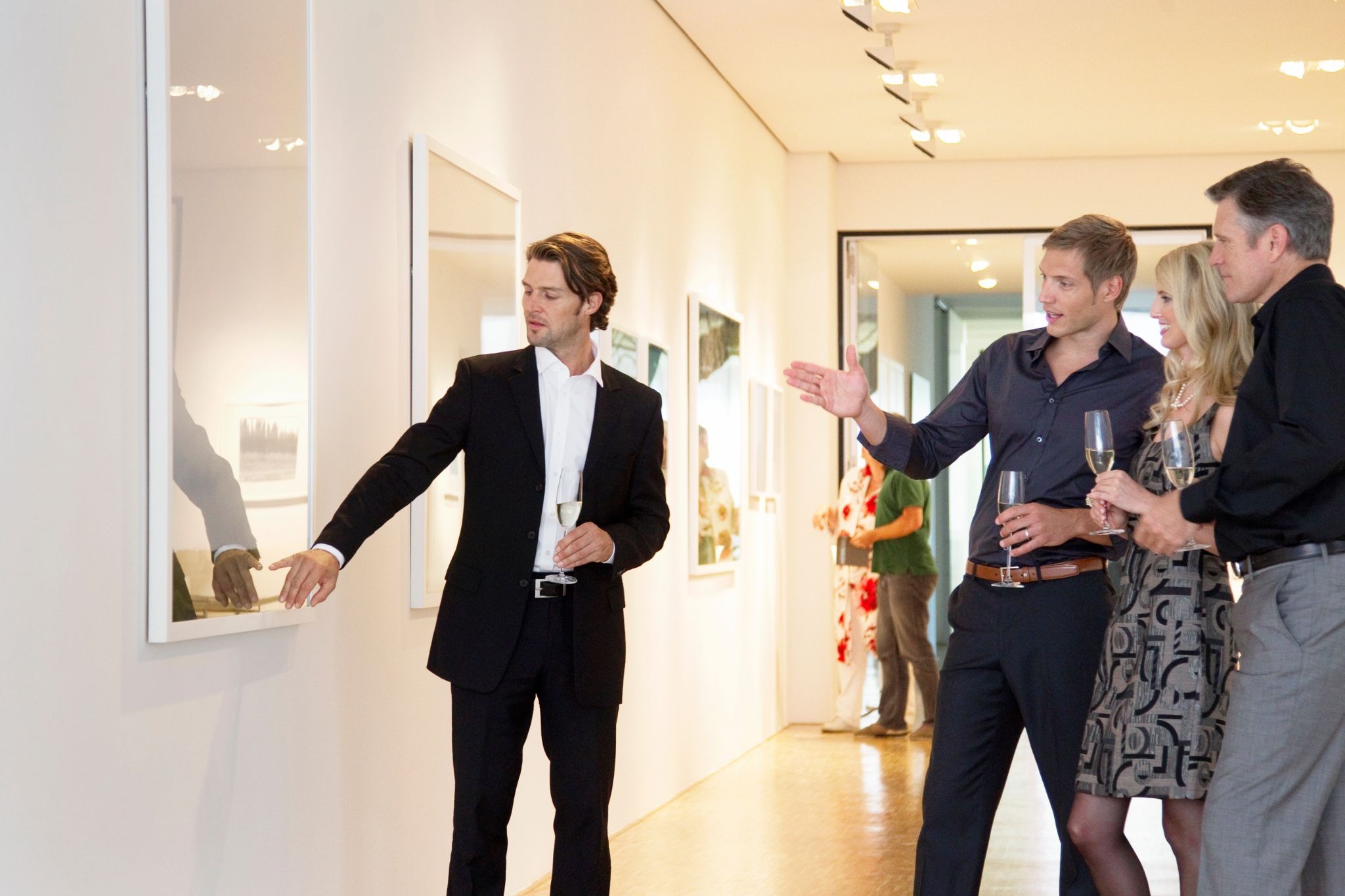
Art exhibitions remain the heartbeat of modern galleries. They connect artists with audiences, showcase talent, and create cultural conversations. In an increasingly digital world, exhibitions provide tangible experiences that digital platforms alone cannot replicate. Galleries rely on exhibitions not just to display art, but to define their identity, strengthen relationships with collectors, and maintain relevance in a competitive market. The concept of the importance of Art Exhibitions extends beyond visual presentation. It includes reputation building, community engagement, and strategic positioning. This article examines why exhibitions are essential for contemporary galleries, exploring benefits, challenges, and best practices for maximizing impact.
Understanding the Purpose of Art Exhibitions
Exhibitions are bridges. They link artists, galleries, and audiences in meaningful ways. For artists, exhibitions offer platforms to share their vision, demonstrate skill, and attract critical attention. Galleries use exhibitions to showcase their curatorial expertise and maintain cultural influence. Different formats serve distinct purposes. Solo shows focus on individual expression, group exhibitions highlight trends or collective themes, and thematic events explore specific cultural or social ideas. Each type carries unique advantages for positioning both galleries and artists in the art market.
Benefits for Artists
For artists, exhibitions are credibility boosters. Displaying work publicly demonstrates professionalism and readiness for serious collection. Exhibitions increase visibility, attract collectors, and provide networking opportunities with curators and peers. They also help artists build a portfolio of recognized work, which strengthens long-term career development. Exposure in respected galleries can lead to media coverage, awards, and invitations to larger events. Each exhibition serves as a tangible step in an artist’s trajectory, building authority and enhancing reputation.
Benefits for Galleries
Galleries gain more than just content to fill walls. Exhibitions strengthen brand identity, reflecting curatorial vision and thematic direction. They attract collectors, critics, and partners while maintaining relevance in local and international markets. Regular exhibitions signal activity and credibility, encouraging repeat visits and long-term engagement. Well-executed shows position galleries as cultural leaders and tastemakers, supporting their strategic growth objectives. Successful exhibitions also create opportunities for press coverage and social media amplification, expanding reach and influence.
Art Exhibitions as Tools for Community Engagement
Modern galleries view exhibitions as tools for community connection. Beyond sales, exhibitions provide spaces for cultural dialogue, education, and participation. Interactive programming—such as artist talks, workshops, or guided tours—enhances audience engagement and fosters appreciation for contemporary art. Collaborations with schools, cultural institutions, and local organizations expand reach and cultivate future audiences. Community-oriented exhibitions enhance social value and reinforce the gallery’s cultural relevance, which can be as important as economic outcomes in sustaining long-term success.
Economic and Market Impacts of Exhibitions
Exhibitions influence both immediate sales and long-term market trends. They provide collectors with opportunities to discover new talent, purchase works directly, and assess investment potential. Emerging artists often gain market credibility through curated exhibitions, which can increase demand and secondary market interest. For galleries, exhibitions stimulate foot traffic, generate media attention, and reinforce brand positioning. They also provide insight into audience preferences, enabling galleries to anticipate trends and make strategic acquisitions. Exhibitions are thus critical levers for market development, financial planning, and talent cultivation.
The Digital Dimension of Modern Exhibitions
The rise of digital technology has transformed how exhibitions operate. Online exhibitions, virtual tours, and immersive digital presentations complement physical shows, allowing galleries to reach global audiences. Social media channels amplify visibility, while online catalogs and multimedia content create lasting impressions beyond the gallery space. A strategic approach ensures that digital and physical experiences reinforce each other, maintaining coherence in presentation and messaging. Galleries that integrate digital tools can extend impact, increase engagement, and generate additional revenue streams.
Hybrid Experiences: Combining Physical and Digital
Hybrid exhibitions merge tangible and digital experiences, offering the best of both worlds. Streaming events or 360-degree virtual tours allow audiences to experience exhibitions remotely, expanding reach beyond geographic limitations. These formats also create data opportunities, allowing galleries to track engagement metrics and refine future shows. Well-executed hybrid exhibitions enhance accessibility, appeal to younger or tech-savvy collectors, and support long-term brand growth. Real-world examples show hybrid shows increase participation and can lead to sales for artists who may otherwise be overlooked in local markets.
Measuring Impact Through Data
Quantifying exhibition outcomes is essential for strategic growth. Attendance figures, online engagement, media coverage, and social mentions provide insights into effectiveness. Galleries can analyze which works or artists attract attention, which themes resonate, and where to invest resources next. Data-driven strategies allow for informed curatorial decisions, targeted marketing, and improved programming. Measuring impact ensures exhibitions are not just aesthetic events, but strategic assets that reinforce gallery objectives and strengthen artist relationships.
Common Challenges in Organizing Exhibitions
Despite their value, exhibitions pose significant challenges. Logistics, budgeting, and staffing can strain gallery resources. Galleries must balance curatorial vision with audience expectations and accessibility. Choosing artists, securing works, and managing installation require careful planning. Furthermore, rapidly evolving market trends and technological innovation demand adaptability. Galleries must anticipate these challenges while ensuring the exhibition aligns with brand strategy and delivers meaningful impact for both audiences and artists. Risk management, contingency planning, and operational efficiency are critical for successful execution.
Best Practices for Maximizing Exhibition Value
To achieve maximum impact, galleries should adopt strategic practices. Thoughtful curation ensures a coherent narrative and consistent artistic quality. Promotion should span traditional media, social platforms, and targeted outreach to collectors. Programming enhancements, including artist talks, workshops, and interactive installations, deepen engagement. Documenting exhibitions digitally creates lasting content that supports marketing and archival purposes. Aligning exhibitions with broader gallery objectives—such as brand building, talent discovery, or community engagement—ensures that each show contributes strategically to long-term growth.
Conclusion
Art exhibitions are more than temporary displays—they are strategic instruments for modern galleries. The importance of art exhibitions lies in their ability to enhance visibility, reinforce credibility, engage communities, and influence market dynamics. Galleries that approach exhibitions strategically, integrating digital tools, thoughtful curation, and audience engagement, maximize both cultural and economic returns. Exhibitions foster relationships between galleries, artists, and collectors, establishing reputational value that extends far beyond individual shows. In today’s competitive art landscape, exhibitions are essential for growth, sustainability, and cultural impact.