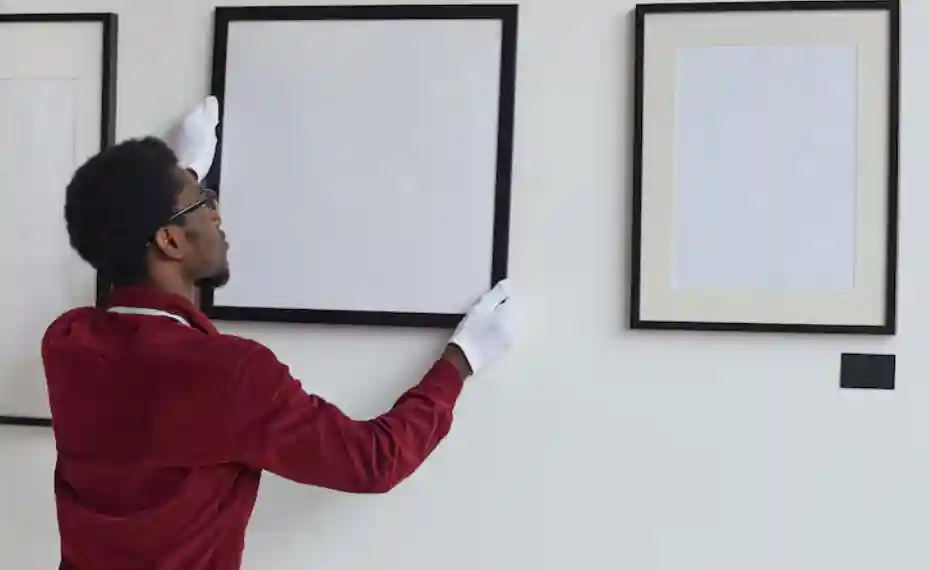
An artwork is only as impactful as the way it is presented. Whether you are displaying a valuable oil painting, a cherished family photograph, or a modern lithograph, the surrounding border plays a dual role in aesthetic enhancement and physical protection.
Standard store bought options often fail to accommodate unique dimensions or provide the archival quality necessary for long term preservation.
Investing in custom art frames allows you to tailor every detail to the specific needs of the piece and the decor of your room. Here are the essential factors to evaluate when selecting the perfect enclosure for your collection.
Prioritizing Archival Quality and Material Safety
The primary function of a high quality frame is to shield the artwork from environmental degradation. When exploring various custom art frames, it is crucial to insist on acid free and lignin free matting materials.
Standard mats contain chemicals that can leach into the paper over time, causing yellowing or brittle edges. Furthermore, ensuring that the backing board is also of archival grade prevents moisture and pollutants from attacking the piece from behind.
By choosing materials that meet museum standards, you ensure that the integrity and value of your artwork remain intact for decades.
Selecting the Right Type of Protective Glazing
The glass or acrylic layer is your art’s first line of defense against ultraviolet light and physical dust. Traditional glass often reflects interior lighting, which can obscure the details of the image. When ordering custom art frames, consider upgrading to anti reflective or conservation grade glazing.
These options can block up to ninety nine percent of harmful UV rays, preventing the colors from fading due to sun exposure. Acrylic is often preferred for larger pieces because it is shatterproof and significantly lighter than glass, making it safer for high traffic areas.
Balancing Frame Style with Interior Architecture
The visual weight and style of the molding should complement both the artwork and the room’s design language. A minimalist, thin metal frame might suit a contemporary abstract piece, while an ornate, gilded wood frame is often more appropriate for classical portraiture.
Professional providers of custom art frames can help you visualize how different textures and finishes will interact with your existing furniture and wall colors.
The goal is to create a cohesive look where the frame serves as a bridge between the art and the architectural environment.
Understanding the Importance of Matting and Proportions
Matting does more than just provide a visual border; it creates a necessary air gap between the artwork and the glazing. This space prevents the image from sticking to the glass, which is especially important in humid climates.
When designing your custom art frames, experiment with different mat widths and colors. A wider mat can give a small piece a sense of importance and grandeur, while a double mat can add a sophisticated sense of depth.
Proper proportions ensure that the frame does not overwhelm the art but rather focuses the viewer’s eye on the subject.
Evaluating Mounting Techniques and Reversibility
How the artwork is secured inside the frame is a critical technical consideration. A professional framer should use reversible mounting techniques, such as Japanese paper hinges or archival photo corners, which allow the art to be removed without any damage.
Permanent adhesives or tapes should be strictly avoided as they can significantly decrease the value of original works.
Discussing these technical details before finalizing your order ensures that your art is treated with the respect it deserves, allowing for future reframing or conservation if necessary.