To organize art exhibition projects successfully, you need more than taste and enthusiasm. You need clarity, structure, and strategic intent. An exhibition is a temporary event, but its impact can shape an artist’s career, a gallery’s reputation, and long-term collector relationships. Many organizers focus on the visual side and ignore the operational backbone. That is where problems begin. A successful exhibition is built months before the doors open.
Defining the Vision Before You Organize Art Exhibition Projects
Before selecting artworks or booking a venue, define the core objective. Are you organizing the exhibition to generate sales, strengthen an artist’s market position, attract media coverage, or build a new audience? Each goal requires different decisions. Commercial exhibitions require pricing discipline and collector targeting. Brand-building exhibitions prioritize storytelling and press relationships. Community-focused shows emphasize accessibility and engagement. Without a clear objective, the entire project becomes reactive instead of strategic.
Identify your ideal audience early. Emerging collectors respond to education and transparency. Established collectors expect exclusivity and strong curatorial direction. Corporate buyers focus on investment value and brand alignment. When you understand who you are speaking to, your messaging, pricing, and even artwork selection become sharper. Define measurable outcomes as well. Attendance numbers, sales volume, media mentions, and partnership inquiries are better indicators than vague impressions.
Curatorial Strategy and Artwork Selection
Strong exhibitions feel cohesive. They tell a story. The curatorial narrative connects individual works into a unified experience. Random selection weakens credibility. A clear concept strengthens memory and market value. When you organize art exhibition events with a focused theme, visitors understand what they are experiencing and why it matters. The narrative does not need to be complex, but it must be intentional.
Artwork selection should balance visual harmony with diversity. Too many large works can overwhelm a space. Too many small pieces can feel scattered. Medium, texture, and color relationships influence visitor flow and emotional response. Evaluate quality consistently. One weak piece can reduce the perceived value of stronger works nearby. This is especially critical when introducing emerging artists.
Professional collaboration with artists is essential. Use written agreements. Clarify commission percentages, insurance responsibilities, transportation logistics, and payment timelines. Miscommunication damages relationships quickly. Establish production deadlines and confirm artwork availability well in advance. Artists often underestimate preparation time, and last-minute delays can derail installation schedules. Strategic planning reduces risk and strengthens trust.
Budget Planning and Financial Structure
Financial planning determines sustainability. Many organizers underestimate costs and overestimate sales. Create a detailed budget that includes venue rental, lighting equipment, installation labor, marketing expenses, printing, transportation, insurance, catering, and contingency funds. Small overlooked expenses accumulate quickly.
Develop a pricing strategy aligned with your audience. Research comparable sales. Consider artist career stage and medium. Avoid emotional pricing decisions. If pricing is inconsistent, collectors lose confidence. Commission structures must also be transparent. Artists need clarity, and galleries must protect profitability.
Sponsorship can offset costs, but partnerships should align with the exhibition concept. Corporate sponsors often seek brand exposure, so negotiate visibility terms clearly. Track cash flow carefully. Expenses occur before revenue. Without planning, liquidity pressure increases stress and limits flexibility. Financial discipline allows creative freedom.
Choosing the Right Venue and Exhibition Format
Venue selection shapes perception. A traditional gallery offers credibility and collector trust. Pop-up spaces create novelty and accessibility. Alternative venues such as warehouses or cultural centers attract broader audiences but require additional technical planning. Each option carries different logistical and branding implications.
Hybrid models are increasingly common. Physical exhibitions supported by virtual tours extend reach beyond geographic limitations. Online components also create archival value and additional sales opportunities. When you organize art exhibition projects in a hybrid format, ensure visual quality remains high in digital documentation. Poor photography weakens professional presentation.
Assess location carefully. Foot traffic, neighborhood reputation, parking accessibility, and nearby cultural institutions influence attendance. Technical factors matter as well. Lighting quality, wall strength, climate control, and ceiling height affect installation decisions. Review lease agreements thoroughly and clarify liability terms. Risk management protects both artworks and organizers.
Logistics, Installation, and Spatial Design
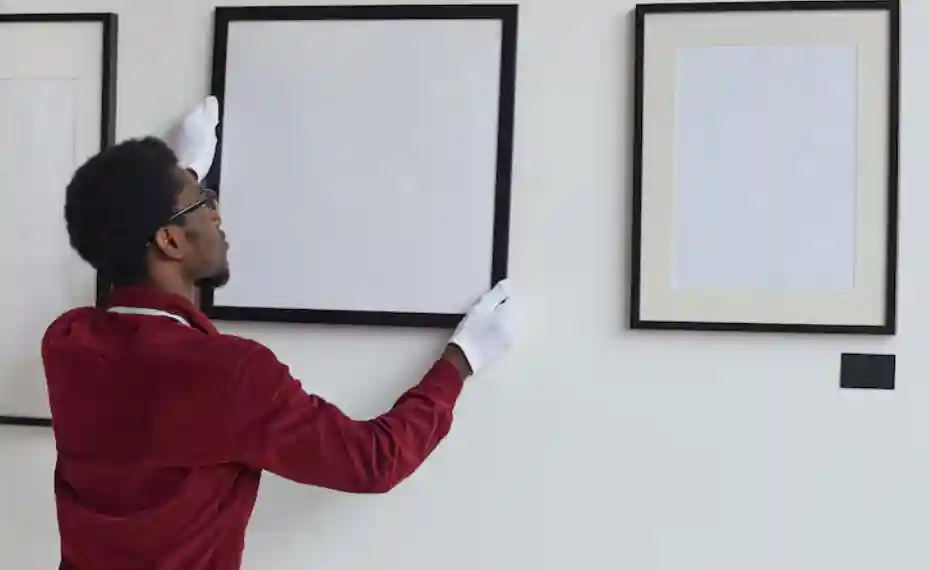
Installation is where vision becomes reality. Layout planning should guide visitors naturally through the space. Create focal points that anchor attention. Avoid overcrowding. Negative space enhances appreciation. Think about sightlines from entrances and transitional areas. First impressions influence engagement duration.
Lighting design is critical. Incorrect angles create glare and distort color. Professional track lighting allows flexibility and focus. Subtle variations in intensity can highlight key works without overwhelming others. Atmosphere influences emotional connection, so consider sound levels and environmental comfort.
Handling and transportation require precision. Use professional art handlers when possible. Document artwork condition before and after transport. Insurance coverage must reflect true market value. Risk assessment is not optional. Damage during transit or installation can erase months of preparation. Strategic coordination reduces preventable loss.
Marketing Strategy to Organize Art Exhibition Successfully
Marketing begins long before opening night. Develop a compelling narrative that explains why this exhibition matters now. Storytelling differentiates your event from countless others. Identify key media contacts, cultural journalists, and art bloggers who align with your theme. Personalized outreach performs better than generic press blasts.
Build anticipation gradually. Teaser campaigns, behind-the-scenes previews, and artist interviews create momentum. Email marketing remains powerful when segmented correctly. Social media platforms amplify visibility but require consistency and visual coherence. Invest in professional images. Quality presentation signals professionalism.
Collaborate with cultural influencers and local creative communities. Partnerships expand audience reach beyond your immediate network. Consider targeted advertising if budget allows. When you organize art exhibition projects with limited resources, focus on precise audience targeting rather than broad exposure. Depth often outperforms volume.
Digital Promotion and Online Visibility
Digital presence supports long-term discoverability. Create a dedicated landing page optimized around the keyword “Organize Art Exhibition” if you are positioning your gallery as an authority. Include artist biographies, artwork previews, event details, and contact forms. Clear calls to action encourage RSVPs and inquiries.
Virtual walkthroughs extend accessibility. High-quality video tours allow international collectors to engage remotely. Live-streamed artist talks add authenticity and transparency. Online RSVP systems improve attendance forecasting and follow-up efficiency. Data collection during registration provides insights for future exhibitions.
Search engine optimization should not be overlooked. Structured content, optimized images, and internal linking increase visibility over time. A well-documented exhibition becomes evergreen marketing material rather than a one-time event.
Opening Night Execution and Event Management
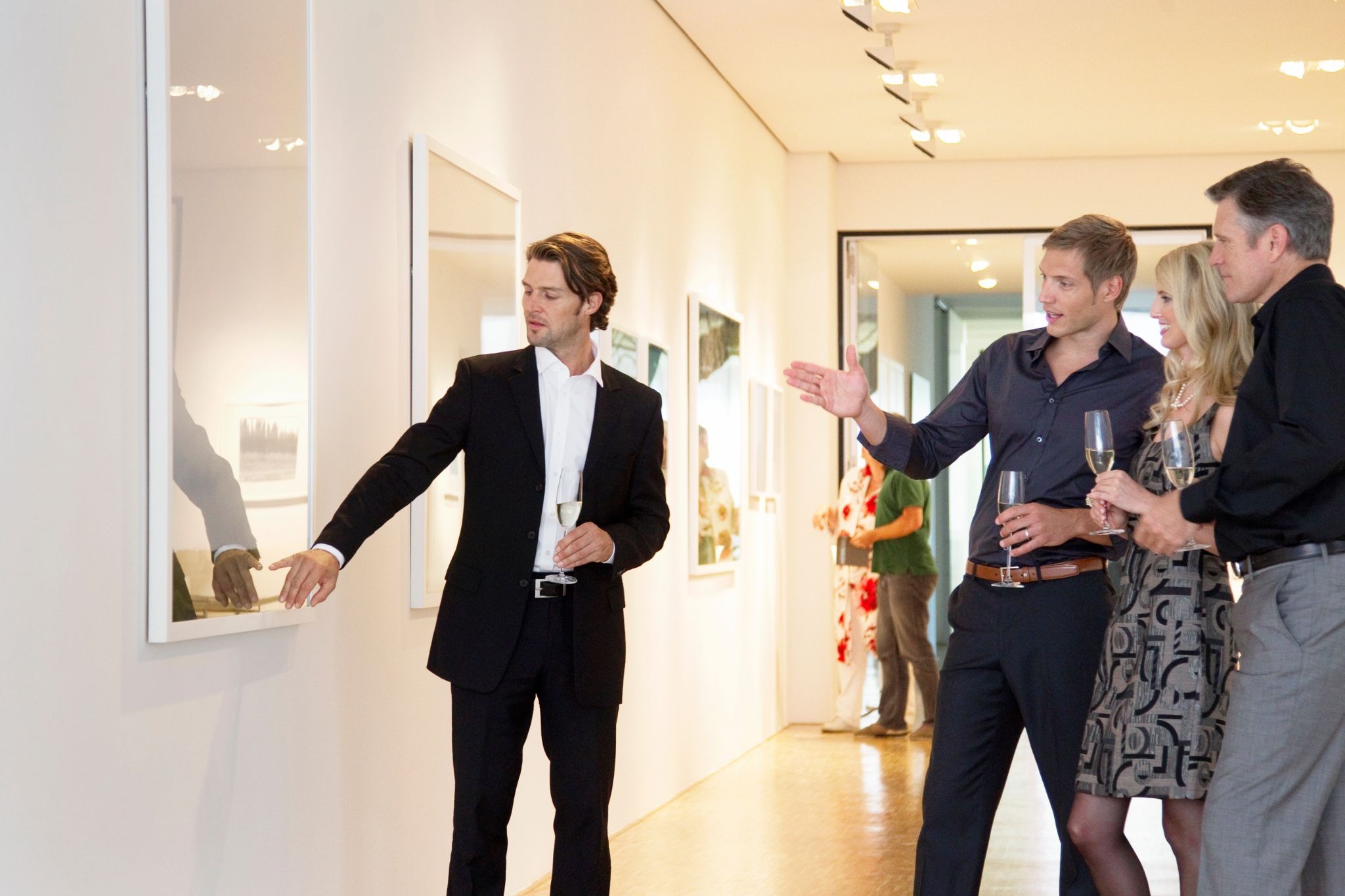
Opening night sets the tone. Plan guest flow carefully. Crowded entry areas create frustration. Ensure staff members are briefed on artwork details, pricing, and artist background. Confident communication builds buyer trust.
Curate the guest list intentionally. Invite collectors, journalists, curators, and influencers aligned with your objective. VIP previews before public access create exclusivity and encourage early sales. Short, well-prepared speeches maintain energy without overwhelming guests.
Hospitality matters, but it should not overshadow the art. Subtle catering enhances atmosphere without distracting from conversation. Assign team members to monitor potential buyers and initiate meaningful dialogue. Sales often begin with thoughtful engagement rather than direct promotion.
Sales Strategy and Collector Relationship Building
Pricing communication must be confident and consistent. Provide clear information sheets. Avoid hesitation when discussing value. Collectors respond to professionalism. Offer secure payment options and transparent documentation. Installment plans can increase accessibility without reducing perceived value if structured properly.
Negotiation requires balance. Small flexibility may close deals, but heavy discounts weaken market positioning. Understand your bottom line before discussions begin. When you organize art exhibition events with sales as a primary goal, train staff in negotiation etiquette and follow-up protocol.
Relationship building continues after the event. Send personalized thank-you messages. Provide care instructions and authenticity certificates promptly. Invite buyers to future previews. Long-term collector loyalty generates recurring revenue and referrals. The exhibition is the beginning of a relationship, not the end.
Common Pitfalls to Avoid When You Organize Art Exhibition Projects
Poor timeline management is a frequent problem. Installation delays create stress and compromise presentation quality. Start planning at least three to six months in advance depending on scale. Weak marketing outreach leads to empty rooms. Begin promotion early and maintain consistency.
Inconsistent branding confuses audiences. Visual identity, messaging tone, and printed materials should align. Ignoring legal safeguards can create serious complications. Written contracts and insurance coverage protect all parties involved. Finally, failing to nurture relationships after the exhibition wastes potential. Follow-up is often where long-term success is secured.
Final Thoughts
To organize art exhibition projects successfully, you must think like a strategist, not just a creative enthusiast. Vision drives direction. Planning protects execution. Marketing fuels visibility. Sales strategy ensures sustainability. Evaluation creates growth. Every detail matters because exhibitions are high-stakes environments where perception shapes value. When managed with discipline and intention, an exhibition becomes more than a display of art. It becomes a powerful platform for reputation, revenue, and long-term opportunity.