Choosing the perfect piece of artwork for a home or office is a deeply personal journey that combines emotional resonance with aesthetic strategy. Unlike representational works that depict recognizable objects, non-objective pieces rely on color, form, and texture to communicate.
This unique nature requires a specific set of considerations to ensure the piece enhances your environment while maintaining its value. Here are the essential factors to keep in mind when you are ready to invest in a new acquisition.
Understand Your Emotional Connection
The most important aspect of selecting a piece is how it makes you feel upon the first viewing. Because abstract art does not provide a literal narrative, it invites the viewer to project their own feelings and interpretations onto the canvas.
Some pieces may evoke a sense of tranquility through soft gradients, while others might spark energy through bold, erratic strokes.
Before considering technical details, spend time sitting with the work to see if it resonates with your personality and the mood you wish to establish in your space.
Analyze the Use of Color and Light
Color is the primary language of non-representational works and plays a crucial role in how a piece integrates with your interior design.
Consider the existing color palette of your room; a monochromatic piece can add sophisticated texture to a minimalist space, whereas a vibrant, multi-colored canvas can serve as a powerful focal point in a neutral setting.
Additionally, observe how the abstract art reacts to different lighting conditions. Natural sunlight can reveal hidden layers of pigment, while warm indoor lighting might emphasize the richness of certain hues.
Evaluate the Medium and Texture
The physical materials used by the artist contribute significantly to the impact of the work. Oil paints offer a traditional richness and depth, while acrylics allow for sharp lines and modern finishes. Beyond the type of paint, look at the tactile quality of the surface.
Impasto techniques, where paint is applied thickly, create a three-dimensional effect that changes as you move around the room.
Understanding the medium helps you appreciate the technical skill involved in creating abstract art and ensures the physical presence of the piece matches your preferences.
Consider Scale and Proportion
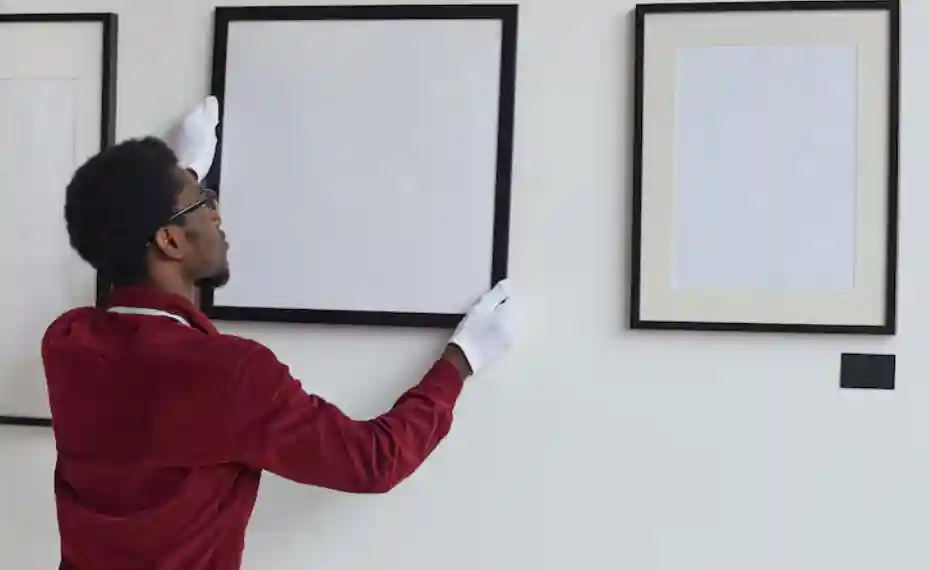
A common mistake in art acquisition is choosing a piece that is either too small for a large wall or overwhelming for a confined area. Measure your wall space accurately before making a purchase. A large-scale work can define an entire room, creating an immersive experience for anyone who enters.
Conversely, a series of smaller pieces can create a rhythmic gallery wall effect. Ensure there is enough breathing room around the frame so that the abstract art does not feel cramped, allowing its visual energy to flow naturally across the wall.
Research the Artist and Provenance
While the visual appeal is paramount, understanding the background of the creator adds a layer of intellectual depth to your purchase. Research the artist’s education, exhibition history, and the evolution of their style.
Knowing the intent behind a particular series can enrich your own interpretation of the work. If you are buying from a gallery, inquire about the provenance and ensure you receive a certificate of authenticity.
This documentation is vital for verifying the work’s origin and protecting your financial investment over time.